In the Age of Paranoia
Novel
Poland, early December 1942. In Ward 41 of a Nazi camp, David, a Jewish doctor from Frankfurt, wakes up leaning against a cracked windowpane. Outside, in the middle of the frozen yard, six dark marks in the frost are all that remains of the night before.
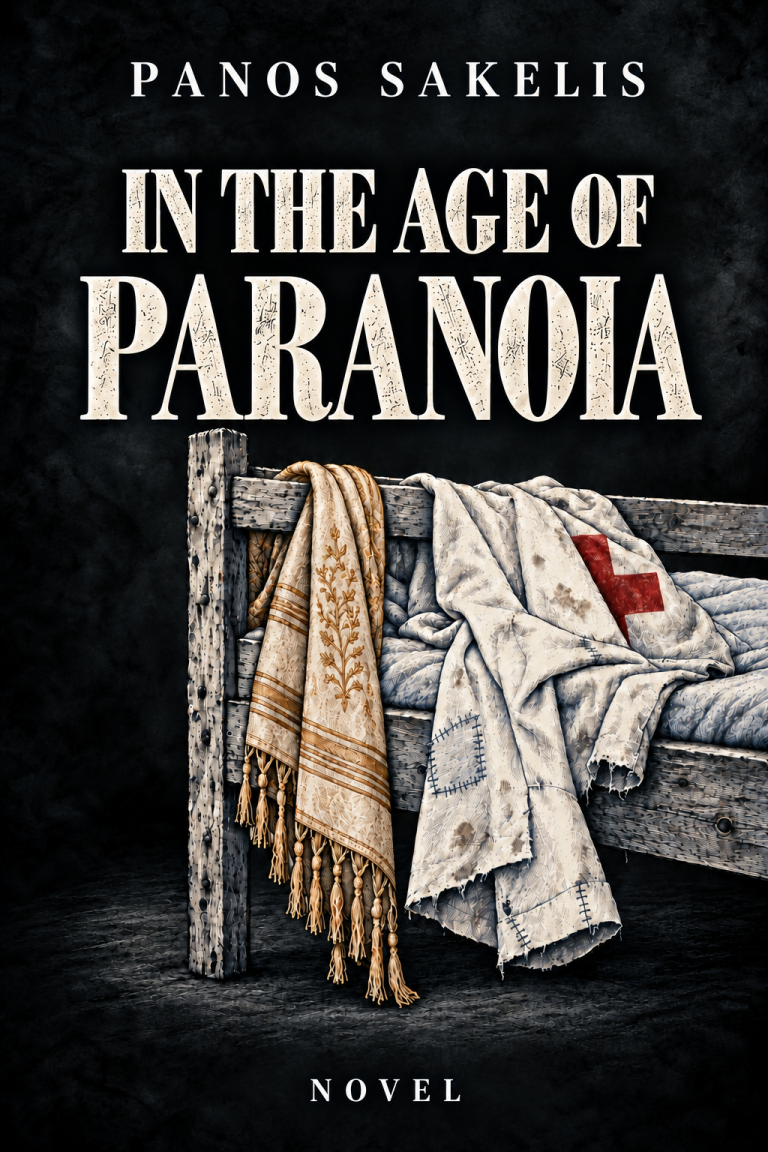
The reason David survives is simple and harsh: the smock with the red cross. The doctor is not on the lists. Those who are on the lists leave every morning at six in trucks. What remains in the ward is the warmth they left behind, less than half an hour of it.
Over five chapters and a few days, the novel records, with a surgeon’s precision, what happens when a person’s moral world is taken apart piece by piece: Hans Keller, the young German officer who keeps the tally, and something else underneath. Sarah of Hamburg, who arrived here carrying a life David will never learn. The children with gloves tied to strings who pass through the door without looking back. And the woman who asked whether she would have time to feed the baby before they reached the other camp, and received the correct medical answer: “let it sleep.”
David is not a hero. He is a man who has learned to sign decisions handed to him by others, to stay silent in meetings, to sort people into piles. He did all this because a piece of paper required it. What he does at the end, no one asked of him, and no one will sign in his place.
Written in dense, spare language, without a single superfluous word, In the Age of Paranoia does not comment on History. It presents it from the inside, through bodies, faces and one thought at a time. The final scene, Verdi’s aria Va’ pensiero rising from a gray light inside a gas chamber, is among the most persistent moments in modern Greek literature.